
Cleared for the next trade
Asbestos Removal in Brentwood, NY That Gets the Next Trade In
Removal, emergency cleanup, testing and city filings, handled so your basement or boiler room ends up sealed, cleaned, air-tested and ready for the plumber, the electrician or the floor crew.

How every job is run
Work area sealed off
Poly on the walls, vents taped shut and a HEPA unit pulling air inward. Fibers stay put.
Wet, never dry
Material is soaked before it comes off, so it does not turn to dust.
Bagged and labeled
Waste leaves sealed, marked and bound for a facility permitted to take it.
Air checked at the end
An independent air test clears the room before the next trade walks in.
Scope in writing
What comes out, how it is sealed and how it leaves, on paper before day one.
Asbestos Services for Brentwood Homes and Buildings
Five kinds of work. One goal. The material that is holding up your project gets identified, removed or filed for, and the space goes back to the people who need it. Find your situation below, then pick up the phone.
Asbestos Removal
Old boiler jackets, pipe lagging, 9x9 tile with the black glue beneath it, textured ceilings, joint compound, duct wrap, cement siding and roof shingles. Pulled out sealed ahead of a remodel, a heating swap, a sale or a teardown.
Emergency Asbestos Removal
Water soaked the lagging. A fire scorched the ceiling. Someone already took a hammer to it. Somebody picks up no matter how late it is, and crews roll out to close the area off and deal with it.
Asbestos Testing
A trained inspector samples the suspect material and an accredited lab reads it. Each material gets a yes or a no before anyone spends money tearing it out.
ACP-5 Filing
Building or renovating inside the five boroughs? Most city permit filings need an ACP-5. We set up the investigator's survey and get the paperwork done, so your filing is not parked waiting on it.
DEP Asbestos Stop Work Order Removal
DEP shut down a city project over asbestos? Lifting that order takes paperwork, licensed abatement, monitored air and the agency's sign-off. We work through our part of that list, in order.
Six Steps From Stalled Room to Ready Room
You call and describe it
Tell us what the material is, where it is and what is waiting on it. A boiler swap, a basement finish, a closing, a permit. If something is already broken or torn, say so first.
We sample and send it out
A trained inspector takes samples of anything suspect. An accredited lab confirms which materials contain asbestos. No guessing by eye, because nobody can tell that way.
Paperwork and scope get set
Any notice the job needs gets prepared. For a city project, that can mean an ACP-5 or a project notification. You get the scope and the price in writing before work begins.
The room gets sealed
Plastic goes up on floors and walls. Vents, doorways and other openings are closed off. HEPA machines pull the air inward so dust has nowhere to travel.
Material comes out wet
Licensed handlers soak the material, remove it carefully and pack it into sealed, labeled bags or wrapping. It leaves for a disposal site permitted to take it.
Cleanup, then the air test
HEPA vacuums go over every surface, then everything gets wiped wet. An outside firm tests the air. Pass, and the plastic comes down. The room belongs to you and the next trade again.

The Asbestos Step, Taken Off Your Plate
Asbestos is usually the step that holds everything else up. The trick is getting it done properly the first time, so nobody has to come back and redo it.
Licensed work, filed correctly
New York requires a licensed contractor and certified handlers for asbestos work, and that is how every job here is staffed. Notices and filings get done at the start, not patched together after an inspector asks.
A scope you can read
Before a single cut, it is on paper. The materials coming out. How the area gets sealed. Which permitted facility takes the waste. What the final air test must show. No mystery line items, no mid-job surprises.
Containment that holds
Plastic on walls and floor, every opening taped and HEPA machines drawing air into the zone. The rest of the house stays livable while the crew works, and no dust rides up the stairs.
Covering Brentwood and the Surrounding Suffolk County Towns
Brentwood sits in the middle of western Suffolk County, with the Sagtikos Parkway along its west side and the Long Island Rail Road running through town. Plenty of homes here were built back when asbestos was a standard ingredient in boiler wrap, tile and siding, so renovations run into it a lot. Coverage reaches Central Islip, Bay Shore, North Bay Shore and Islip to the south and east, Deer Park on the west, and Hauppauge, Commack, Dix Hills, Islandia and Ronkonkoma up north and east.
Older basements, newer plans
Finishing a basement or replacing a boiler usually means disturbing what was installed decades ago. We get that part out of the way so the remodel can keep going.
Homes and business space
Single-family houses, rentals, storefronts and offices along the main roads all get the same sealed, wet, air-tested method.
One line for every town
Deer Park, Ronkonkoma or Islip, the same crew answers (631) 528-2068 and runs the job from sampling to clearance.
Towns we cover
- BrentwoodSagtikos Parkway & LIRRHome base
- Central IslipCarleton Avenue
- Bay ShoreSunrise Highway & Montauk Highway
- Deer ParkDeer Park Avenue
- IslipMontauk Highway
- HauppaugeLong Island Expressway
- CommackJericho Turnpike
- Dix HillsLong Island Expressway
- North Bay ShoreNorth of Sunrise Highway
- IslandiaLong Island Expressway
- RonkonkomaLIRR Ronkonkoma station
Your town not on the list? Ask anyway. If it is in this part of Suffolk County, the answer is probably yes.
Check if your town is covered: (631) 528-2068The Boiler Is Out. The Pipe Wrap Is Not.
A heating swap or basement finish that hits suspect insulation does not have to sit for weeks. Phone in, describe what you found, and we will tell you what it takes to get the space cleared and the trades back to work.
Unstick the boiler job: (631) 528-2068Straight talk. No paperwork on the first call.
Asbestos Questions We Hear All the Time
Straight answers, short as we can make them.
What happens when a material gets tested for asbestos, and how soon do I hear back?
Small pieces of each suspect material get cut out, sealed in labeled bags and shipped to an accredited lab. Under the microscope, the lab sorts positive from negative. How fast results return depends on the lab and the sample count, and you hear the expected wait before sampling day.
Who checks the air after removal, and why does that matter?
An independent air monitoring firm does, not the crew that did the removal. They sample the air inside the work area after cleanup, and the containment stays up until the results pass. That outside check is what tells you the room is ready for people and the next trade.
Something got broken or torn out before anyone tested it. What now?
Stop the work and keep everyone out of that space, pets included. Shut off heating or cooling that serves the area, and do not sweep or vacuum the debris. Then phone the emergency line at any hour and a crew can come isolate it and clean it up properly.
How would I know if my house has asbestos in it?
Testing is the only real answer. Older houses, especially anything built or redone before asbestos fell out of use in the 1980s, commonly hid it in boiler wrap, tile, textured ceilings, wallboard compound or shingles. A lab report gives you a yes or no, material by material.
Do you handle commercial buildings as well as houses?
Yes. Offices, stores, warehouses, apartment buildings and other commercial space get the same containment, wet removal and clearance as a house. Work is planned around tenants and building use so the rest of the property can keep operating where possible.
Is there asbestos in my popcorn ceiling?
Possibly. Textured and acoustic ceilings from older construction often had asbestos mixed in, while many newer ones do not. A sample settles it before anyone scrapes, sands or drills into it.
What is a DEP asbestos stop work order, and how does it get lifted?
DEP, the city's environmental agency, issues one when asbestos gets disturbed on a New York City job without the right filings or controls. Getting it lifted generally means proper filings, licensed abatement with air monitoring and a DEP sign-off. It only covers work in the five boroughs, and we walk owners and contractors from out here through each piece.
Should I test before I renovate or tear anything out?
Yes, if the building is older or you are not sure what is in the walls, floors or ceilings. Testing first tells you what can be demolished normally and what has to come out under containment. It keeps a renovation from turning into a cleanup.
Who can prepare and file an ACP-5 for a city project?
Only a DEP-certified asbestos investigator can sign one, and only after surveying the work area. It rides along with most Department of Buildings permit applications when the job leaves regulated asbestos untouched. We line up that investigator and the filing for anyone from this area with a project in the five boroughs.
Built to Clear the Room, Not Just Talk About It
Asbestos Removal Brentwood exists for one moment in a project: the point where suspect material stops the work. We test it, file what needs filing, take it out under containment and hand back a space that passed its air test. Homeowners, landlords and contractors all get the same plain explanation of what happens next and why.
See how we work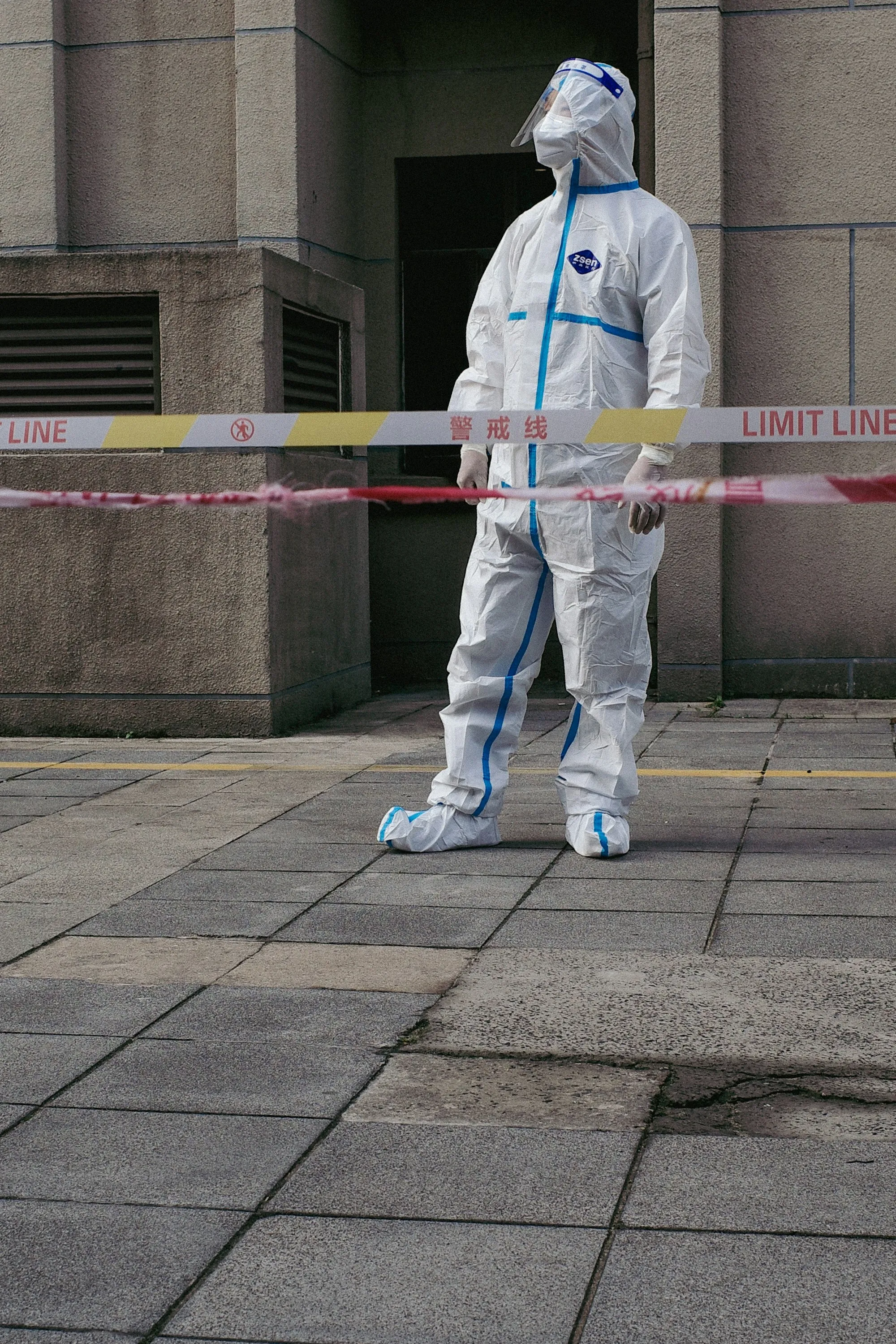

Clear the Asbestos, Clear the Schedule
Say what turned up and which trade is stuck behind it. You will hear the steps, whether it needs a test or a filing, and how the room gets handed back.
Answered day or night across Brentwood and nearby Suffolk County.