
Pipe wrap, tile, ceilings, siding
Asbestos Removal in Brentwood for Renovations and Repairs
The suspect material comes out under containment and the room gets an air test, so the work you actually planned can continue.
Removal That Ends With a Usable Room
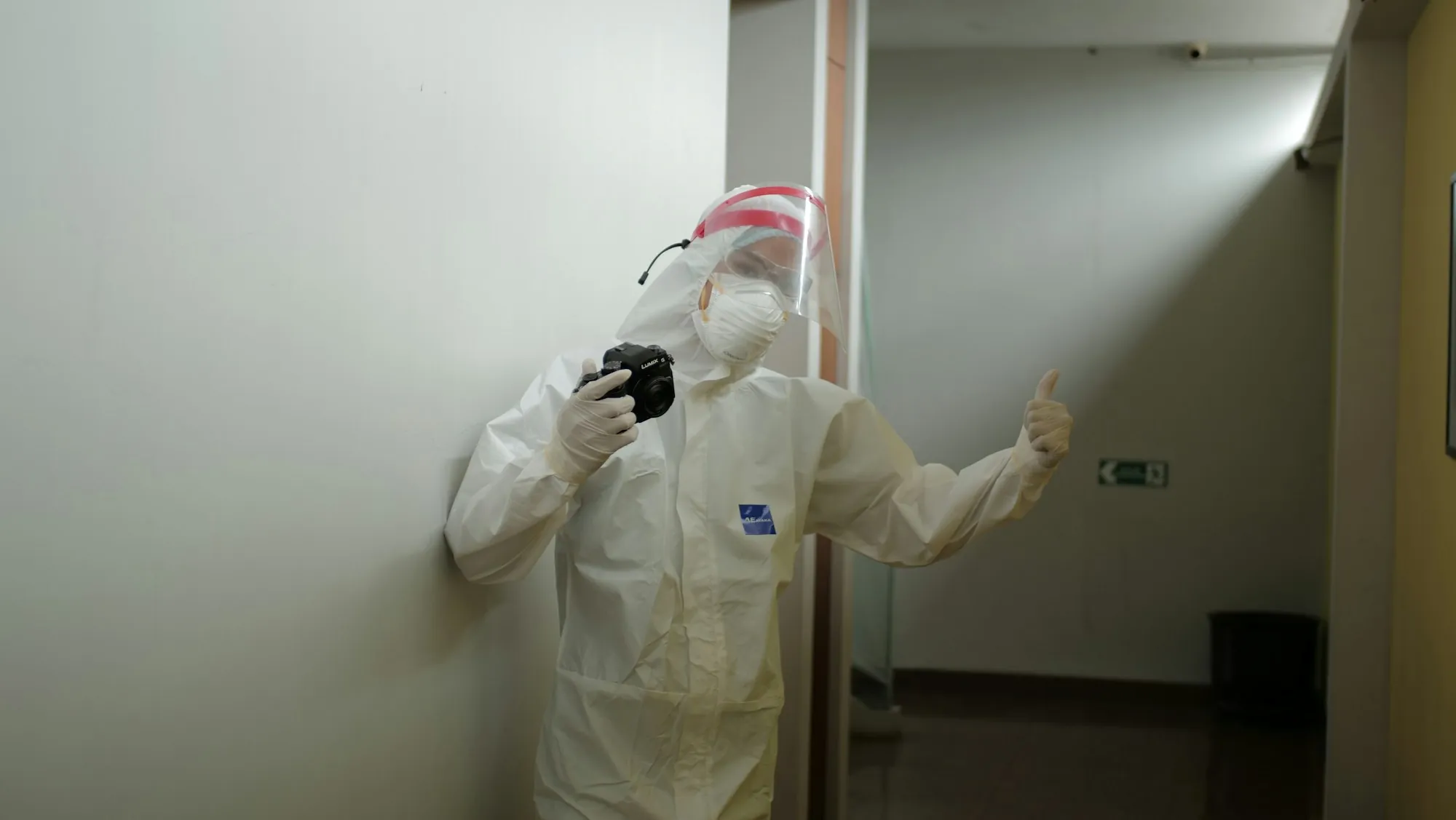
Most asbestos jobs start with a pause. A wall comes open, a floor comes up or someone takes a hard look at the old boiler, and the work stops. Smart move. Builders used asbestos in all kinds of materials for decades, well into the 1980s, and there is no way to spot it by eye. Once a lab confirms it, removal belongs to a licensed contractor with certified handlers, working under New York State rules. That is this job. Plastic goes up around the area, vents and doorways get sealed with tape, and HEPA negative air runs so fibers stay in. The material is soaked, taken down in pieces and packed into sealed, labeled bags or wrap. Then comes HEPA vacuuming, wet wiping and an air test run by an independent firm. A pass means the room is yours again. Typical pulls: boiler and pipe lagging, small square floor tile with black mastic underneath, textured and popcorn ceilings, joint compound, duct wrap, and cement siding or roof shingles. The reason changes from job to job. Kitchen gut. Basement finish. New heating system. Pre-sale fix. Teardown. The method never changes. A Brentwood ranch and a nearby office suite get the same sealed, wet, documented steps, with the scope written down first.
Inside a Typical Removal Scope
Buildings differ. These items land on almost every removal scope we write.
Confirmed materials only
Lab results decide what comes out, so you are not paying to remove things that never had asbestos.
Written scope and price
Materials, quantities, containment plan, disposal and clearance spelled out before work starts.
Required notices
Larger projects need advance notification under state rules. That gets prepared and sent at the start.
Sealed work zone
Plastic sheeting on every surface, vents and doorways closed and a HEPA unit holding the zone under negative pressure.
Wet removal
Material gets soaked before and during removal. Wet fibers stay heavy and stay down.
Packed and hauled properly
Sealed, labeled bags or wrapping, taken to a facility permitted to accept asbestos waste.
HEPA cleanup
Every surface in the zone vacuumed with HEPA equipment and wiped down wet.
Third-party air clearance
An outside firm runs the final air test. Containment stays standing until that result passes.
How a Removal Runs
Confirm and plan
Suspect material is sampled and lab tested if it has not been already. Then we write up the scope: what comes out, how the space is sealed and what the clearance step looks like.
Seal and remove
Containment goes up, negative air machines switch on and the material is taken down wet. It is bagged, labeled and staged inside the sealed zone until it leaves.
Clean, test, hand back
HEPA vacuuming and wet wiping come next, then an independent air test. Once it passes, containment comes down and your plumber, electrician or flooring crew can move in.
Why Remodelers Call Us First
We know what the next trade needs
Cleared, cleaned and documented. That is what lets a contractor get back in without a second guess.
No dust trail
Containment and negative air keep fibers inside the work area instead of in the hallway or upstairs.
Plain explanations
You hear what is being done and why, in words that make sense, before and during the job.
- HEPA negative air
- Wet removal methods
- Sealed, labeled disposal
- Independent air clearance
Found Something Suspicious Mid-Project?
Stop there and pick up the phone. Tell us what it looks like and where it is, and we will explain how it gets tested and, if needed, cleared out.